
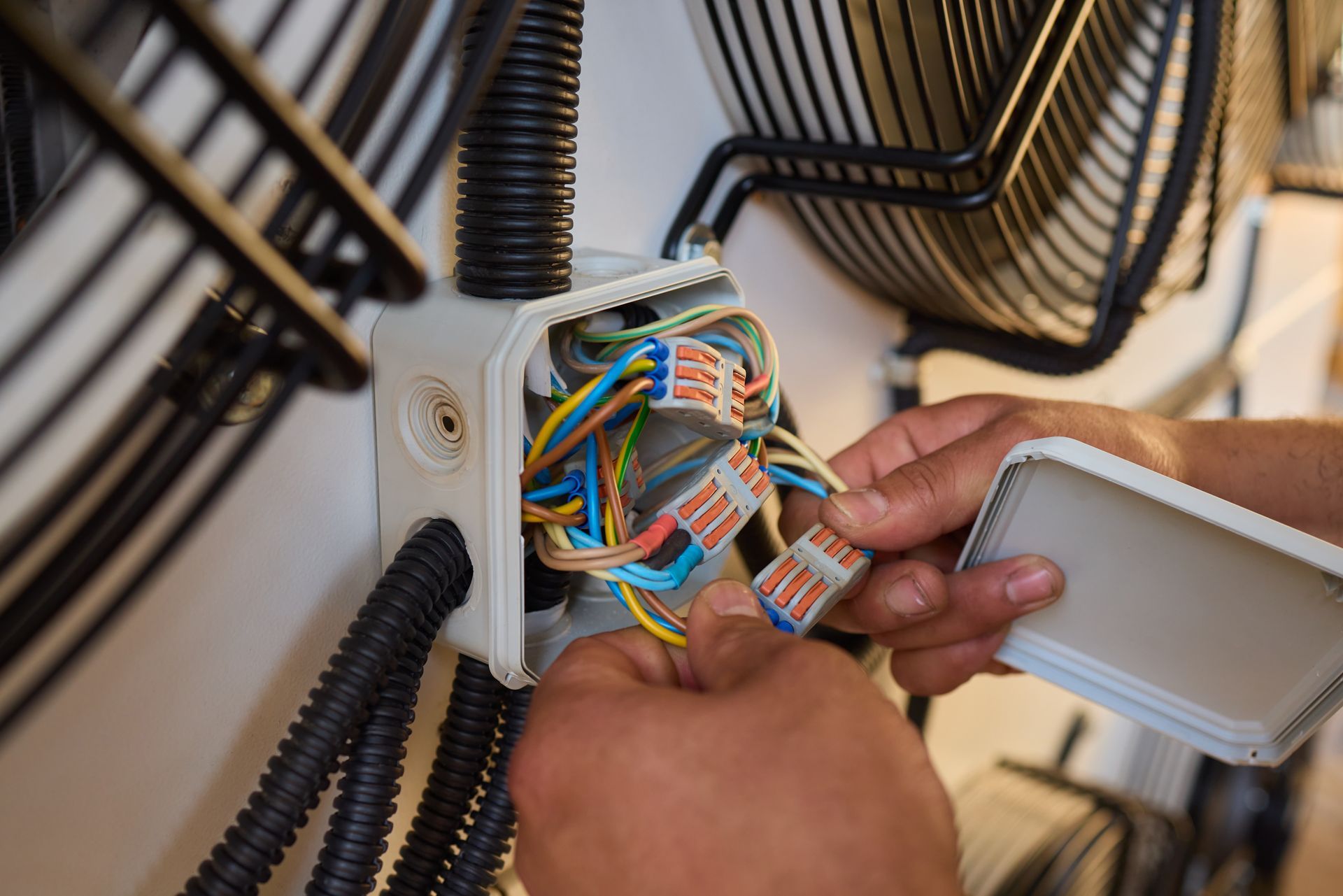
Infrastructure That Supports Every Connected Device
Wiring Solutions in Washington for homes requiring organized, future-ready AV and network infrastructure
Clearview Audio Video LLC installs low-voltage wiring for audio-visual systems, networking, and smart home setups throughout Washington and the surrounding region. The service addresses both new construction projects where infrastructure is built into the structure and retrofit installations where wiring must be routed through finished spaces without damaging walls or creating visible cable runs. Proper wiring infrastructure determines whether your connected systems perform reliably or suffer from interference, signal loss, and connectivity gaps that degrade performance over time.
Low-voltage wiring involves running structured cable pathways for HDMI, Ethernet, speaker wire, control signals, and other AV connections through walls, ceilings, and floors to designated endpoints. Each wire type requires specific handling, separation distances to avoid interference, termination methods, and testing to verify signal integrity. In retrofit scenarios, wiring routes are planned around existing framing, insulation, and utility lines to maintain hidden pathways while avoiding obstacles that would require invasive wall removal.
Schedule a wiring assessment to evaluate your property's infrastructure needs and develop a plan that accommodates current devices and future upgrades.
What Organized Wiring Prevents Long-Term
Wiring infrastructure determines whether devices communicate efficiently or struggle with dropped connections, bandwidth bottlenecks, and signal degradation. Structured pathways allow cables to be routed separately from electrical wiring, reducing electromagnetic interference that causes audio hum, video artifacts, and network latency. Proper termination at both ends of each cable run ensures signals travel without loss, maintaining full resolution for video feeds and stable bandwidth for network traffic.
After installation, you notice cleaner walls without visible cables snaking across baseboards or draped behind furniture. Devices connect reliably without intermittent dropouts or unexplained performance issues. Clearview Audio Video LLC designs wiring pathways with labeled termination points and accessible junction locations, so adding new devices or upgrading components later requires minimal disruption. Systems respond faster because signals travel through dedicated, properly shielded pathways rather than shared or inadequate connections.
The wiring plan accounts for anticipated upgrades by installing extra pull strings in conduit runs and oversized pathways that accommodate additional cables without requiring new wall penetrations. Future-ready infrastructure includes home run wiring to central distribution points where networking equipment, AV receivers, and automation hubs centralize connections, making troubleshooting and modifications straightforward.
Questions Before Starting Your Project
Washington homeowners planning AV upgrades or automation installations often ask about wiring logistics, planning timelines, and how infrastructure integrates with finished spaces.
What happens during a wiring assessment for a retrofit project?
The assessment maps existing wall cavities, identifies obstacles like fire blocking or plumbing, and determines viable pathways that avoid invasive drywall removal while maintaining hidden cable routes.
How does low-voltage wiring differ from standard electrical work?
Low-voltage wiring carries signals rather than power, requiring different cable types, separation from electrical lines to prevent interference, and specialized termination methods that preserve signal integrity across longer distances.
Why does wire quality affect system performance?
Higher-grade cables maintain signal strength over longer runs, resist interference from nearby electrical wiring, and support higher bandwidth requirements for 4K video, high-resolution audio, and gigabit network speeds without degradation.
When should wiring be installed in new construction versus finished homes?
New construction allows wiring installation before drywall closes walls, providing easier routing and cleaner termination points. Finished homes require careful planning to route cables through existing cavities without requiring extensive wall repairs.
What documentation is provided after wiring installation?
Installation includes labeled wiring diagrams showing cable routes, termination locations, and wire types at each endpoint, allowing future technicians or installers to identify connections without tracing cables through walls.
Clearview Audio Video LLC builds wiring infrastructure that supports current AV systems and adapts to future technology upgrades without requiring new wall penetrations. Request a consultation to review your property layout and develop a wiring plan tailored to your connected device requirements.