Control Systems That Simplify Daily Routines
Home Automation Integration in Washington for properties upgrading to centralized lighting, audio, video, and climate control
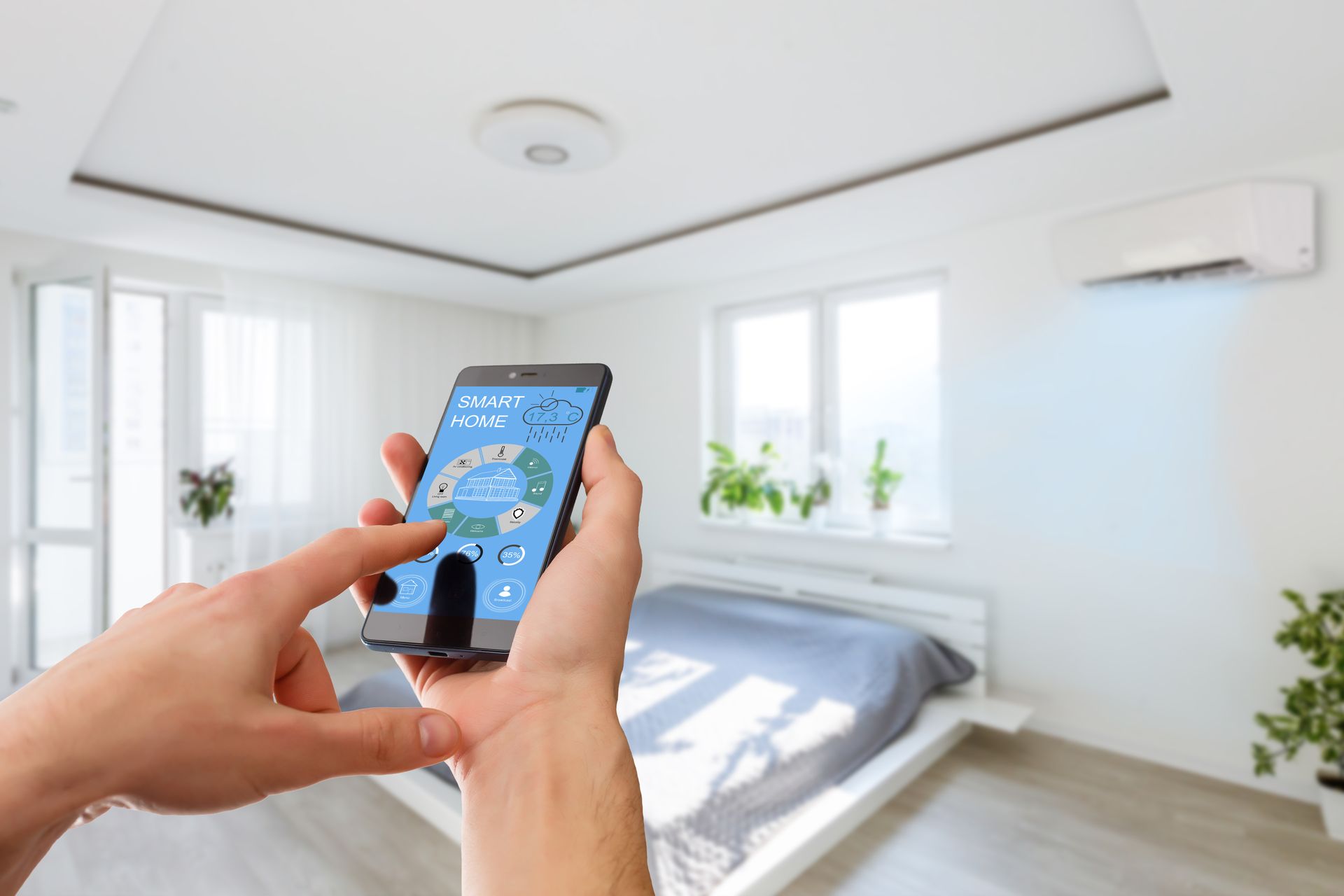
Managing lighting, entertainment, security, and temperature through separate apps or wall switches creates unnecessary steps and limits automation potential. Clearview Audio Video LLC integrates home automation systems in Washington that centralize control through a single interface, whether you're adjusting settings from a touchscreen panel, smartphone app, or voice command. The system connects compatible devices across manufacturers, enabling scenarios like automatic shade lowering when a movie starts or lights dimming at scheduled times without manual input.
Integration involves installing control hubs, programming device interactions, and configuring user interfaces tailored to how you use each room. Systems work with popular platforms and can expand as you add devices or upgrade existing equipment.
Request a custom automation consultation to map device compatibility and control options for your home.
Why Centralized Control Works for Modern Homes
Automation programming defines triggers and actions—motion sensors activate hallway lighting at night, thermostats adjust when occupancy patterns change, and audio systems switch off after a set period of inactivity. Clearview Audio Video LLC configures these routines based on your schedule and preferences, testing each scenario to confirm devices respond as expected. Installation includes network optimization to prevent latency, which causes delays between commands and device response.
Once programming completes, you control multiple systems without navigating separate apps or remembering which switch operates which fixture. Scenes activate with one command—"movie mode" dims lights, lowers shades, and powers on audio equipment simultaneously. Energy use becomes more efficient when lights and climate systems adjust based on actual occupancy rather than fixed schedules, and you can monitor system status remotely to verify settings when away from home.
Automation systems scale incrementally, so you can start with core functions like lighting and add video, security, or irrigation controls later. Compatibility planning ensures new devices integrate without replacing the entire system.
What Property Owners Usually Ask
Homeowners considering automation upgrades often ask about platform compatibility, installation scope, and how control systems adapt when needs change.
What devices can automation systems control?
Systems manage lighting, thermostats, locks, cameras, audio, video, shades, garage doors, and irrigation—any device with network connectivity or compatible control protocol can integrate.
How does centralized control differ from using individual apps?
Centralized systems allow cross-device automation where one action triggers multiple responses, while individual apps require separate commands and lack interaction between manufacturers.
What happens if I add new smart devices later?
Compatible devices join the existing network through the control hub, and programming updates to include new automation scenarios without reconfiguring the entire system.
Why does network performance matter for automation?
Devices communicate over your home network, so weak signals or bandwidth bottlenecks cause delayed responses, failed commands, or devices dropping offline during use.
How do automation projects in Washington account for older home wiring?
Older homes may lack neutral wires required by some smart switches, so installation uses compatible devices or adds wiring where access permits, ensuring automation functions reliably without electrical upgrades.
Clearview Audio Video LLC designs automation systems that match your current setup and allow future expansion as technology and preferences evolve. Book a planning session to review integration possibilities and control interface options.