Displays Mounted for Stability and Function
TV Mounting and Setup in Washington for walls requiring secure attachment and optimized viewing angles
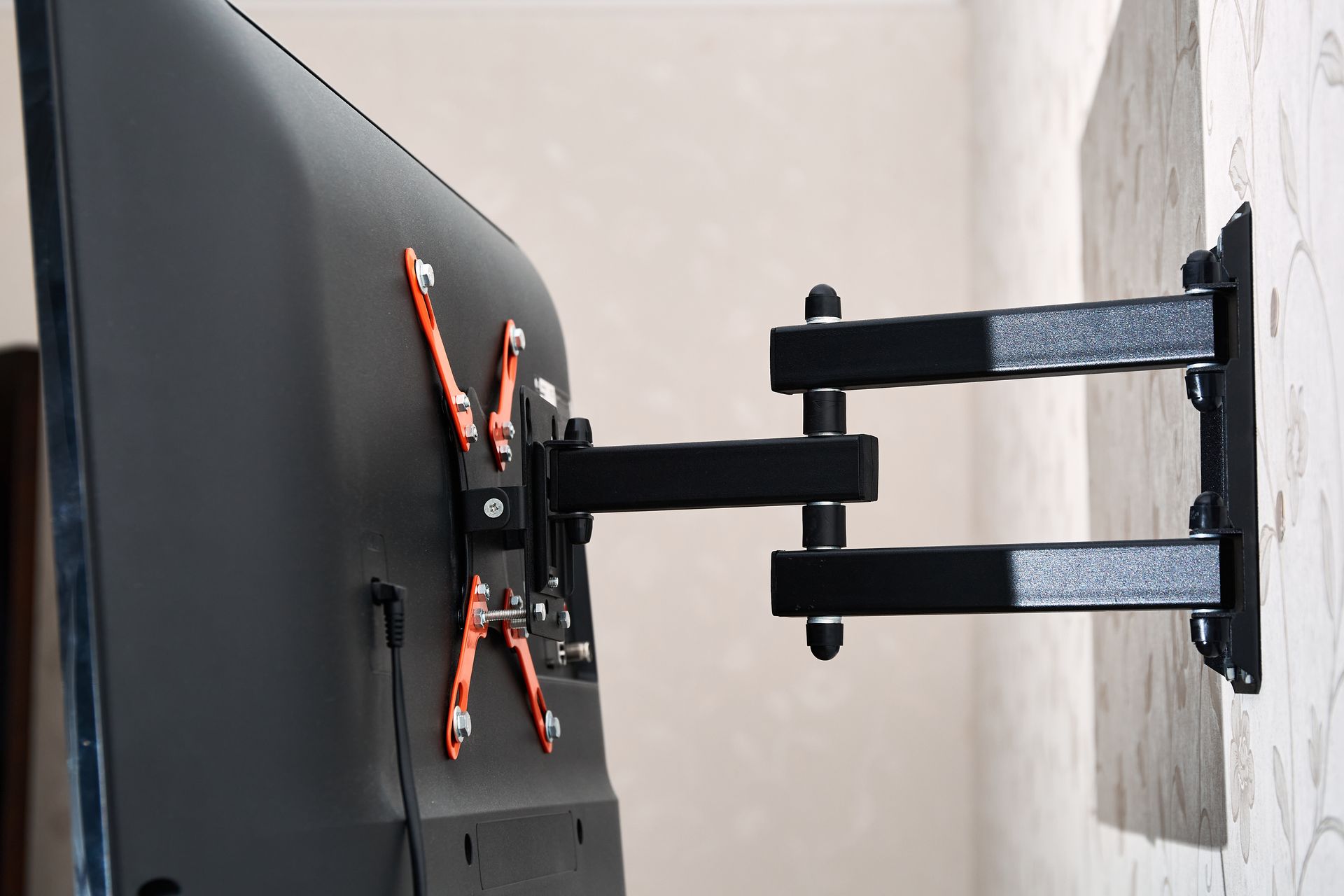
A wall-mounted display positions at the wrong height creates neck strain during extended viewing, and improper anchoring risks equipment damage from mount failure. Clearview Audio Video LLC mounts televisions in Washington on drywall, brick, and textured surfaces using anchors rated for the display weight and wall type. Mounting involves locating studs or masonry anchors, routing cables through walls to eliminate visible wiring, and adjusting tilt angles so the screen face remains perpendicular to eye level from your primary seating position.
Setup includes connecting streaming devices, gaming consoles, and sound systems with proper cable management behind the display. All HDMI connections are verified for signal handshake, and remote controls are programmed to reduce the number of devices required for daily operation.
Arrange an on-site assessment to identify wall construction and confirm mounting feasibility for your display size.
How Mounting Addresses Installation Challenges
The process begins with wall surface analysis—drywall requires stud location and toggle bolts for areas between framing, while brick and concrete use masonry anchors rated for shear and tensile loads. Wiring paths are mapped before cutting access holes, and cables run through conduit or raceways where wall cavities are inaccessible. This prevents scenarios where cables drape visibly down the wall or require surface-mounted channels that interrupt the clean finish.
After mounting, the display sits flush against the wall without sagging, cables remain concealed, and the screen tilts to eliminate glare from windows or overhead lighting. Streaming menus load without input lag, and audio syncs correctly whether routed through the TV or an external sound system. You'll also avoid the common issue of mounts installed at builder-default heights that don't account for furniture or room-specific sightlines.
Wire concealment options vary based on wall construction and whether the space is newly built or a retrofit installation. Clearview Audio Video LLC evaluates access points during the consultation to determine the least invasive path for your setup.
Common Questions About This Service
Property owners typically ask about mounting options for different wall types, how quickly installation completes, and what's included beyond attaching the bracket.
What wall types support TV mounting?
Drywall with wood studs provides the most straightforward installation, while brick, stone, and metal studs require specialized anchors and drilling techniques to achieve secure attachment.
How is viewing angle determined?
The screen center positions at eye level from your main seating area, typically 42 to 48 inches from the floor for standard couch height, with tilt adjusted to eliminate reflections from lighting.
Why does cable concealment require wall access?
Routing cables inside walls keeps them protected from accidental disconnection and maintains fire code compliance, which surface-mounted wiring may not meet depending on cable type.
What does setup include beyond mounting?
Setup covers device connection, input configuration, picture calibration for room lighting, and remote programming so you can control multiple components without switching controllers.
How does installation differ in Washington apartments versus single-family homes?
Apartments often have restrictions on wall penetration and may require alternative mounting methods like tension systems or surface conduit, which are evaluated during the initial visit.
Clearview Audio Video LLC completes most mounting projects within a few hours, depending on wiring complexity and wall access. Contact the team to schedule installation based on your equipment arrival and room availability.